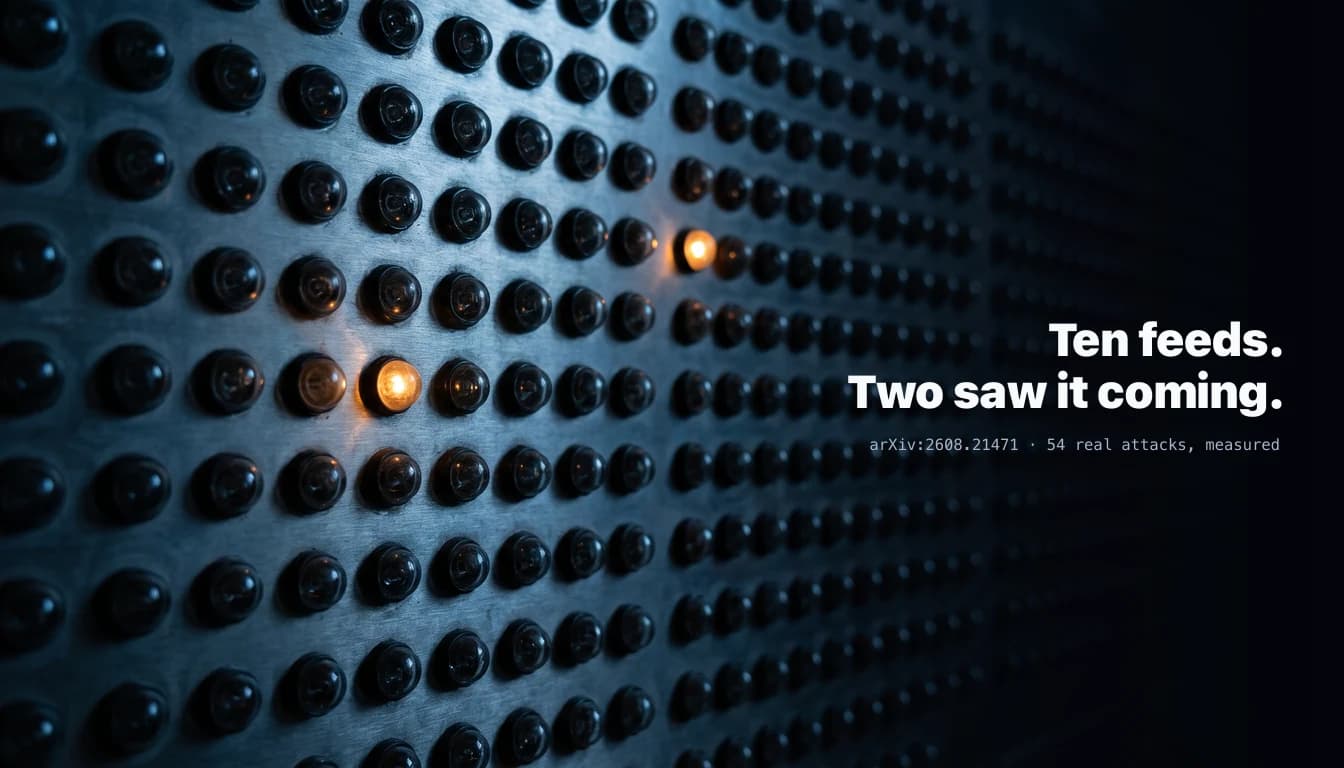
The specific attribution runs ahead of the evidence. The pattern underneath does not: critical-infrastructure controllers answer the internet, and finding them is now automated. The fix is the same whoever is behind it.
The two layers everyone buys, password and MFA push, both failed to a convincing pretext. The layer that does not trust the human held. Contained, not prevented.
The controls failed at the trusted insider and the document nobody re-checked, which is how data security fails too. A control that depends on one honest person is a hope, not a control.
No phishing, no token theft. A crafted request skips the checkpoint and resets any account. Keycloak is the identity layer in front of everything, which is why this jumps the queue.
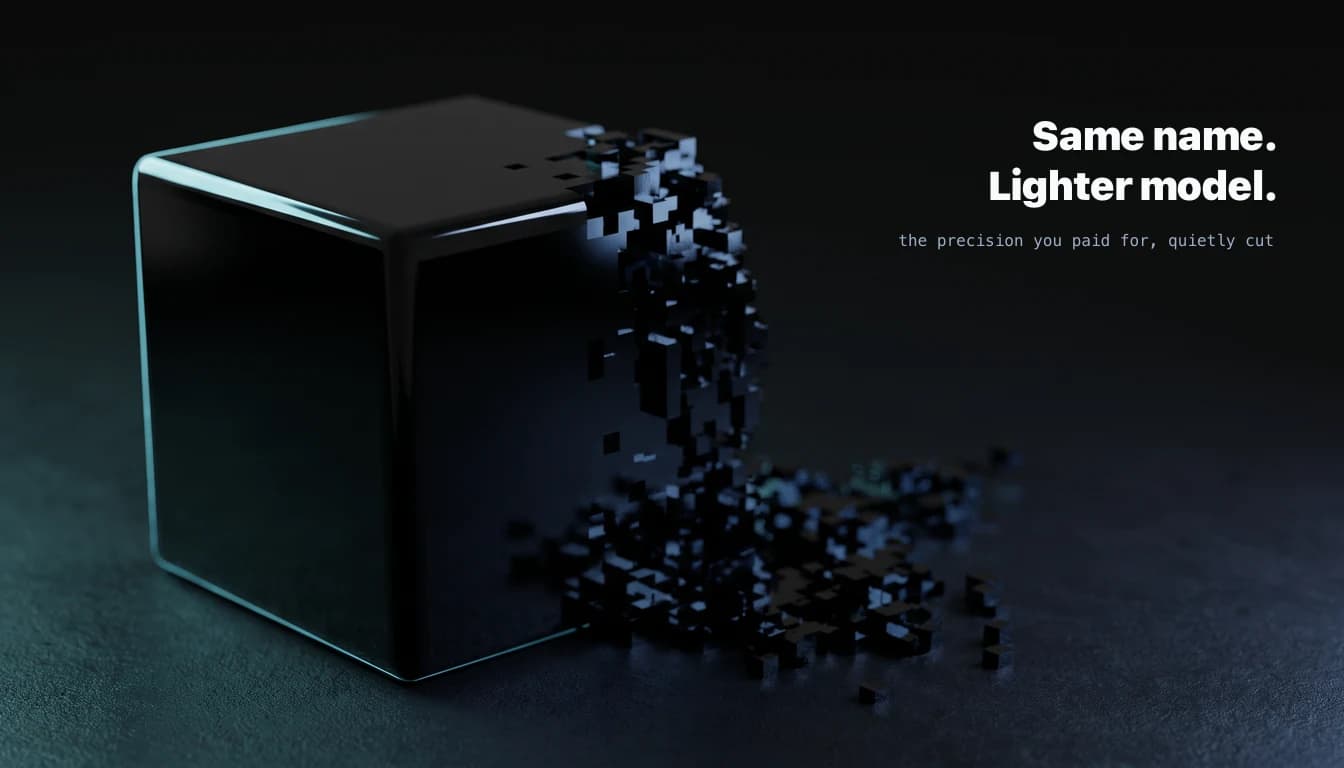
You may be paying for a full model and receiving a compressed copy. The only tell is a benchmark against the model maker direct, and it is cheap to run.
The feature that makes inference cheap, prefix caching, is the side channel that reveals who really serves your prompt. Two resellers can be one basket in two coats.
The headline was that the safety-first lab scored zero. That is one cell of thirty. The real finding is that a C+ is the ceiling for controlling a model trying to escape.
A model can raise its safety score simply by refusing more. Ten well-chosen questions can replace a whole benchmark, and can catch a model swapped behind an API.
Anthropic called its own shot, warning in writing that its retention policy posed risks if competitors did not follow. Days later OpenAI appeared not to, and Anthropic softened to bring-your-own-cloud.
The AI did not make this actor more capable, it made them more organised. Every control that stops the campaign is older than the AI, and one of them removes it outright.