There is no malware in this chain and nothing on the computer is affected. The product being manufactured is panic, and the delivery is ordinary paid advertising through uncompromised publishers.
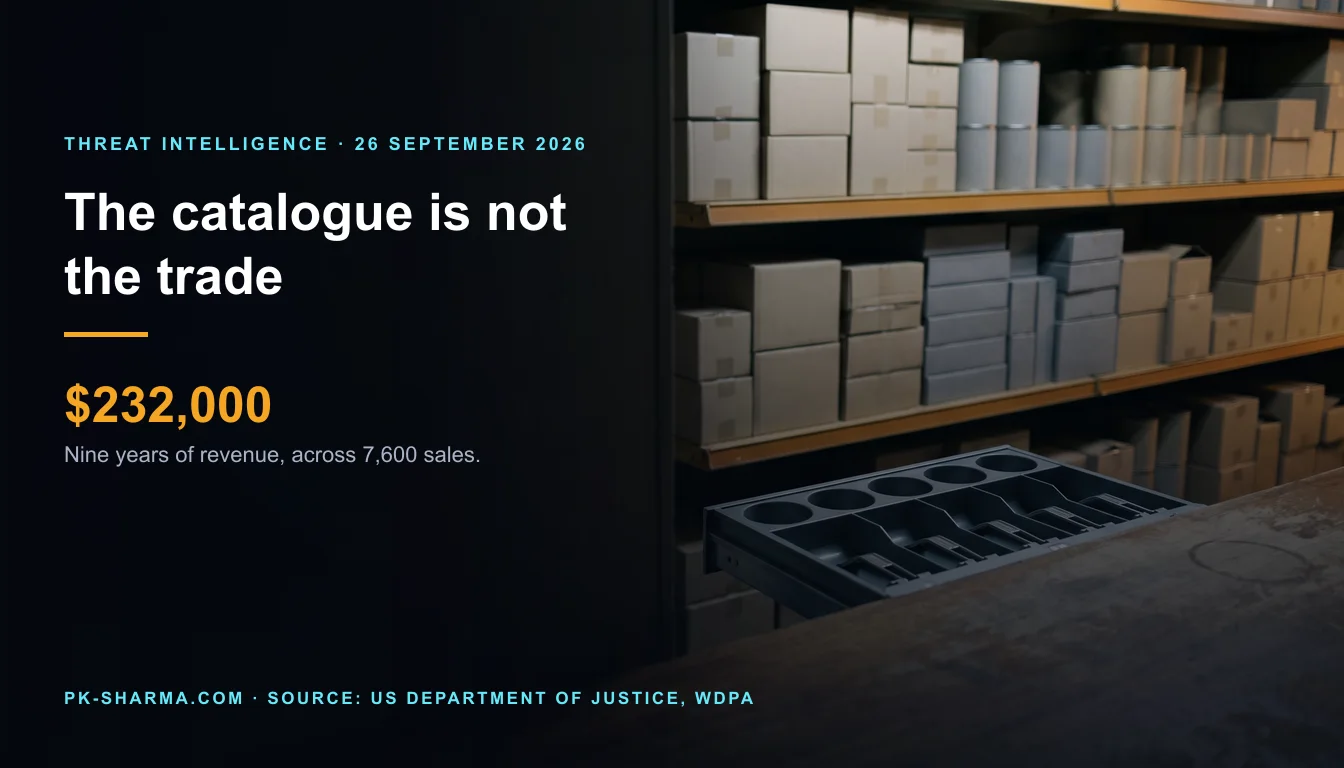
A listing is not a sale and a registered account is not a customer. The Rydox court record contains both measures, and the gap between them is the story that the word marketplace hides.
A clean result from an automated check is not an observation about the site. It is a decision the operator made about the checker, and this chain makes that decision at three independent points.
The impersonated products do not exist: none of the three payroll platforms ships a desktop app. Allure Security counted 291 downloads and said plainly that some of them were researchers.
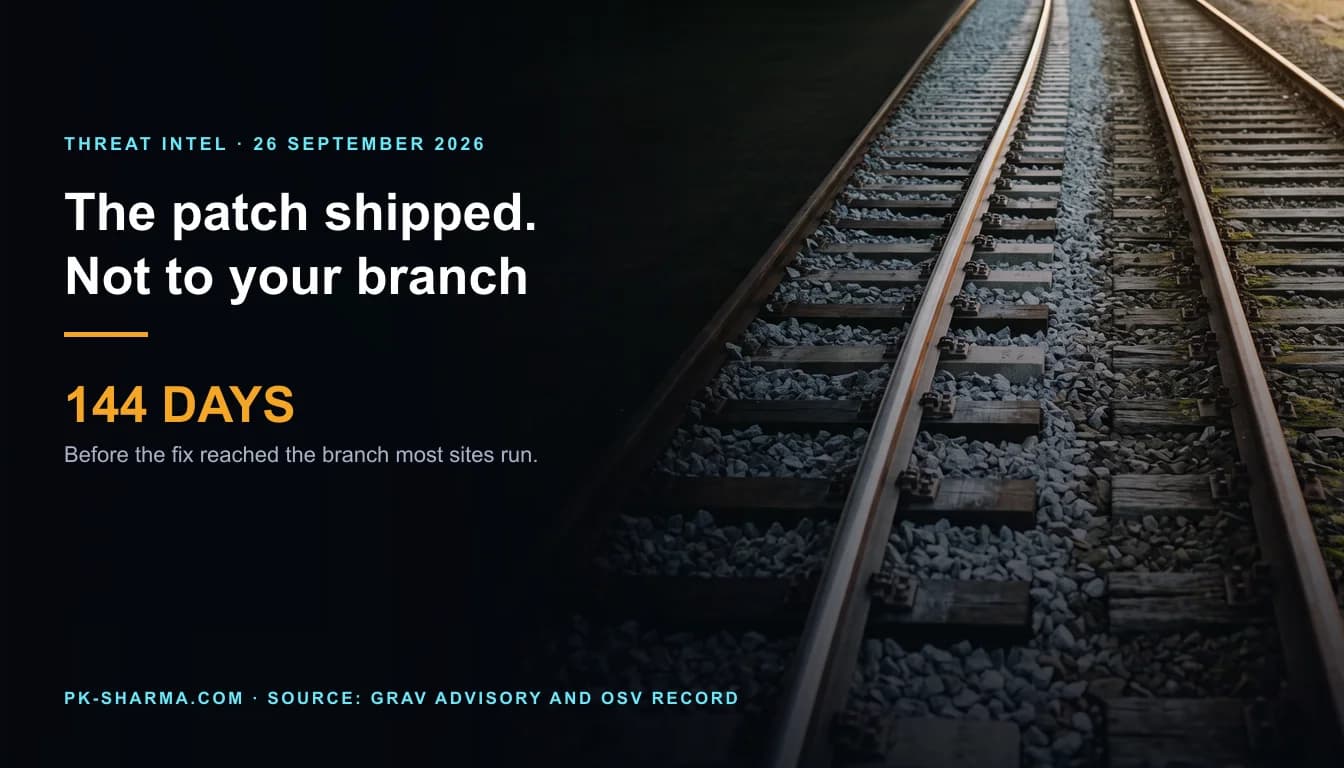
Nobody in this story was slow. The flaw is a CSRF check that skips validation whenever a literal string appears anywhere in the request URI, and the query string is written by whoever composes the link.
What eventually forced the backport was a ransomware gang's leak site being defaced. Grav shipped a 1.7 fix the day after the details became public, 144 days after the advisory.
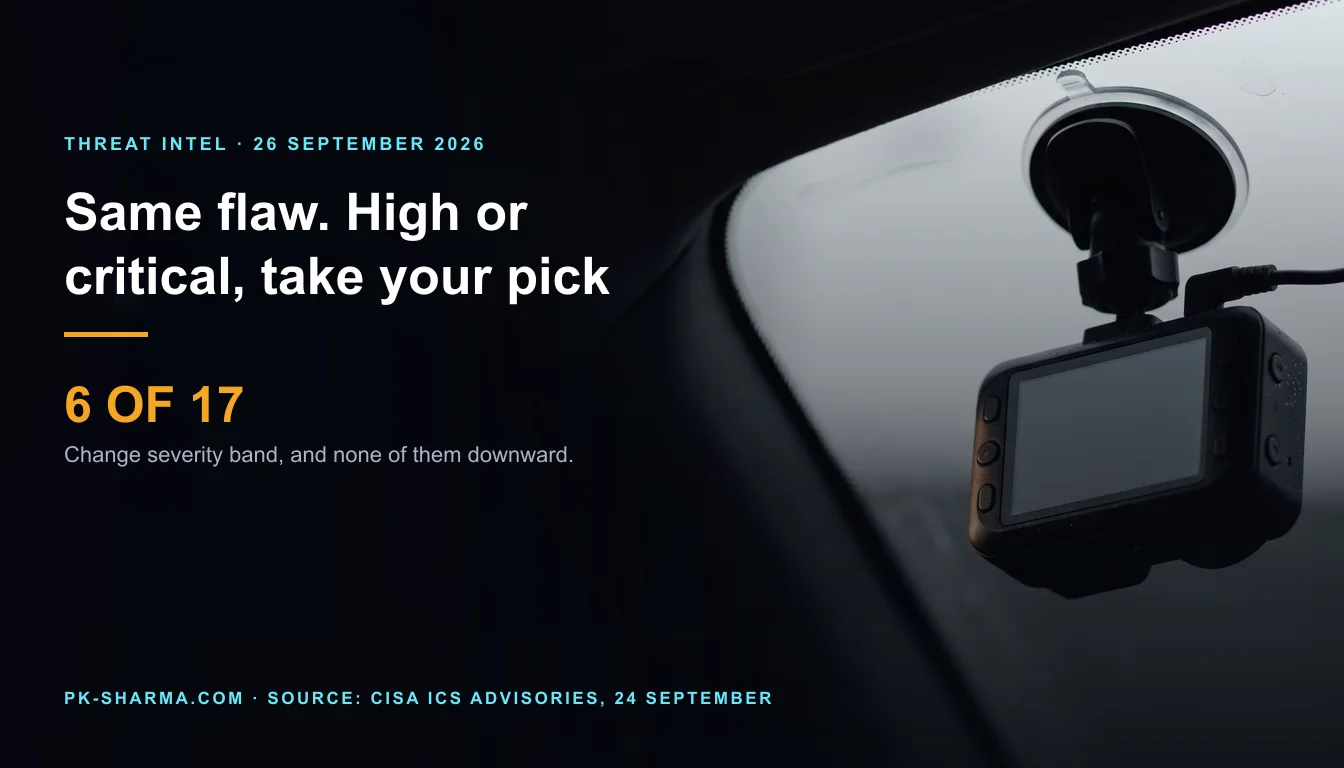
The flaw that gains the most, 8.1 to 9.2, is a firmware verification weakness on a dashcam with no fix, from a vendor that has not responded to CISA. A robot vacuum is filed under Information Technology.
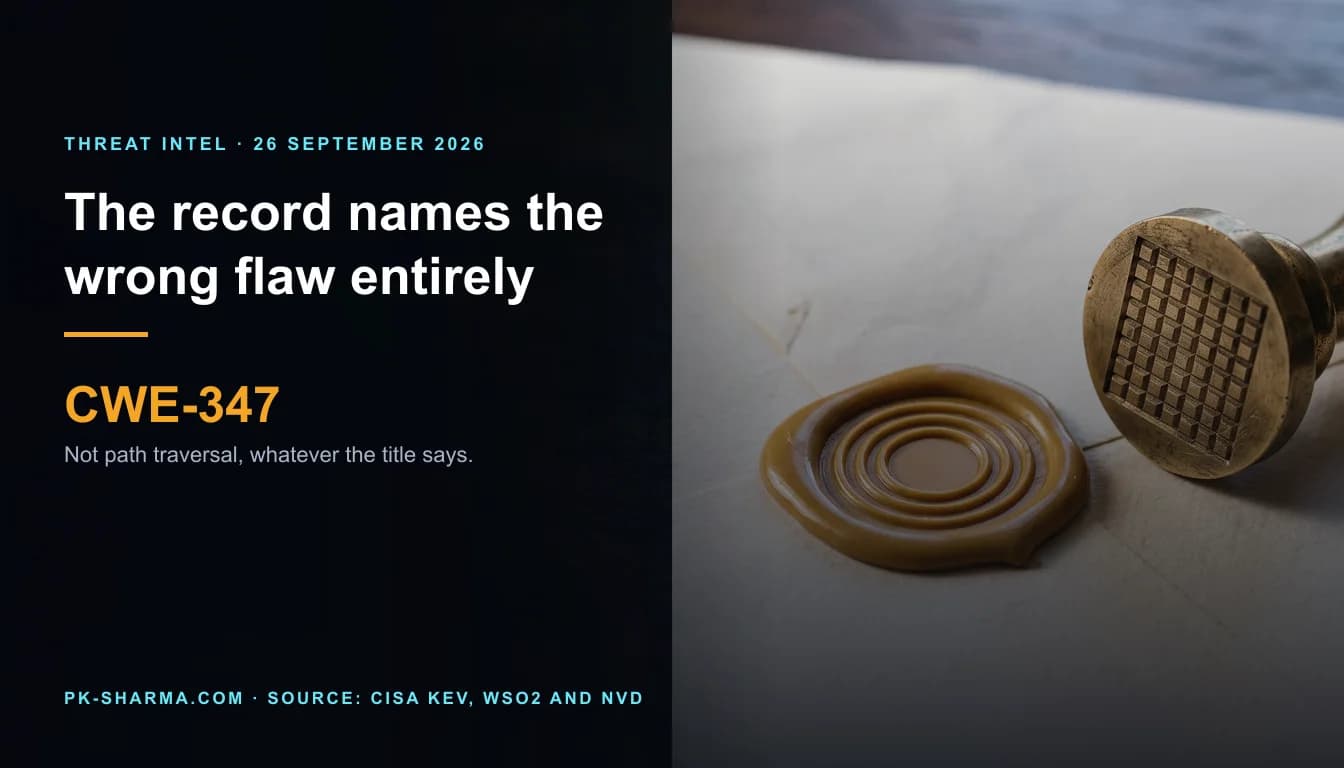
The structured data is right and the prose is wrong, which is the failure mode of every hand-written label sitting beside machine-readable fields. A team triaging by name goes hunting for the wrong thing.
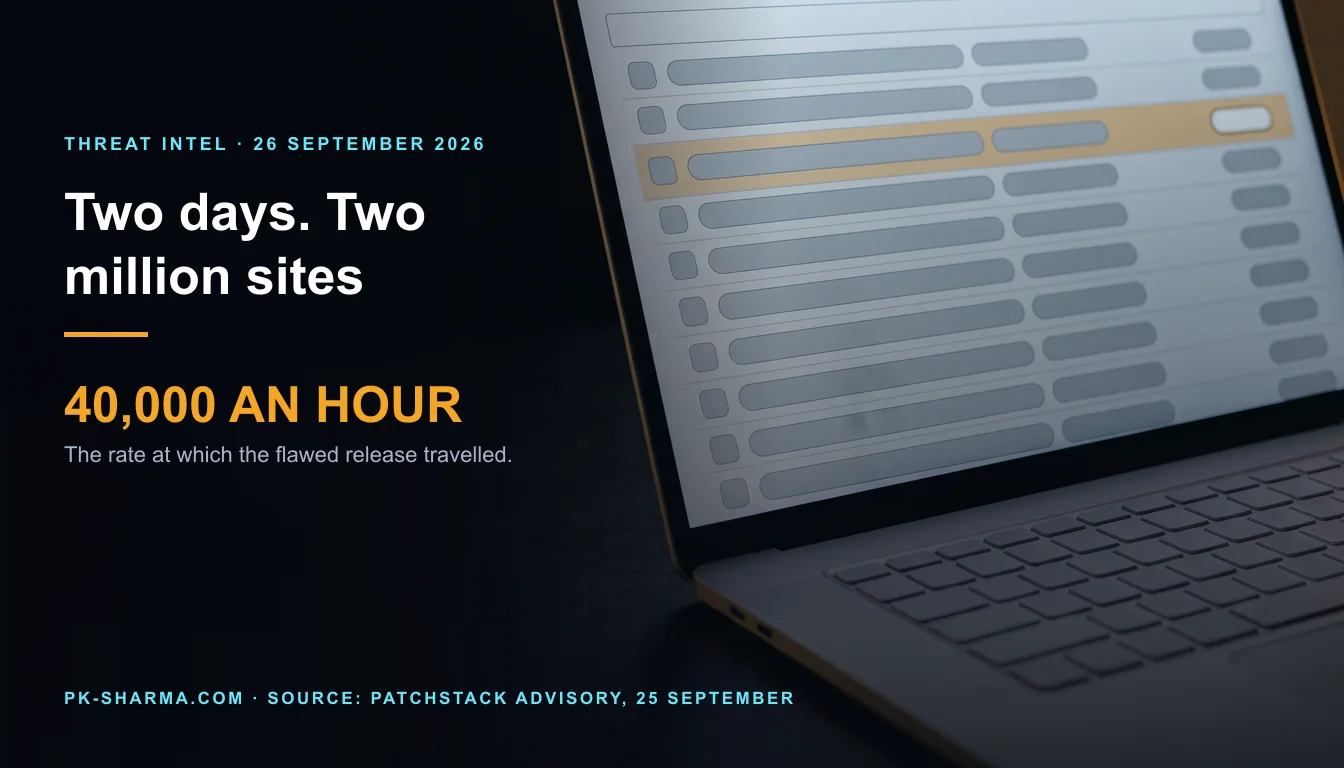
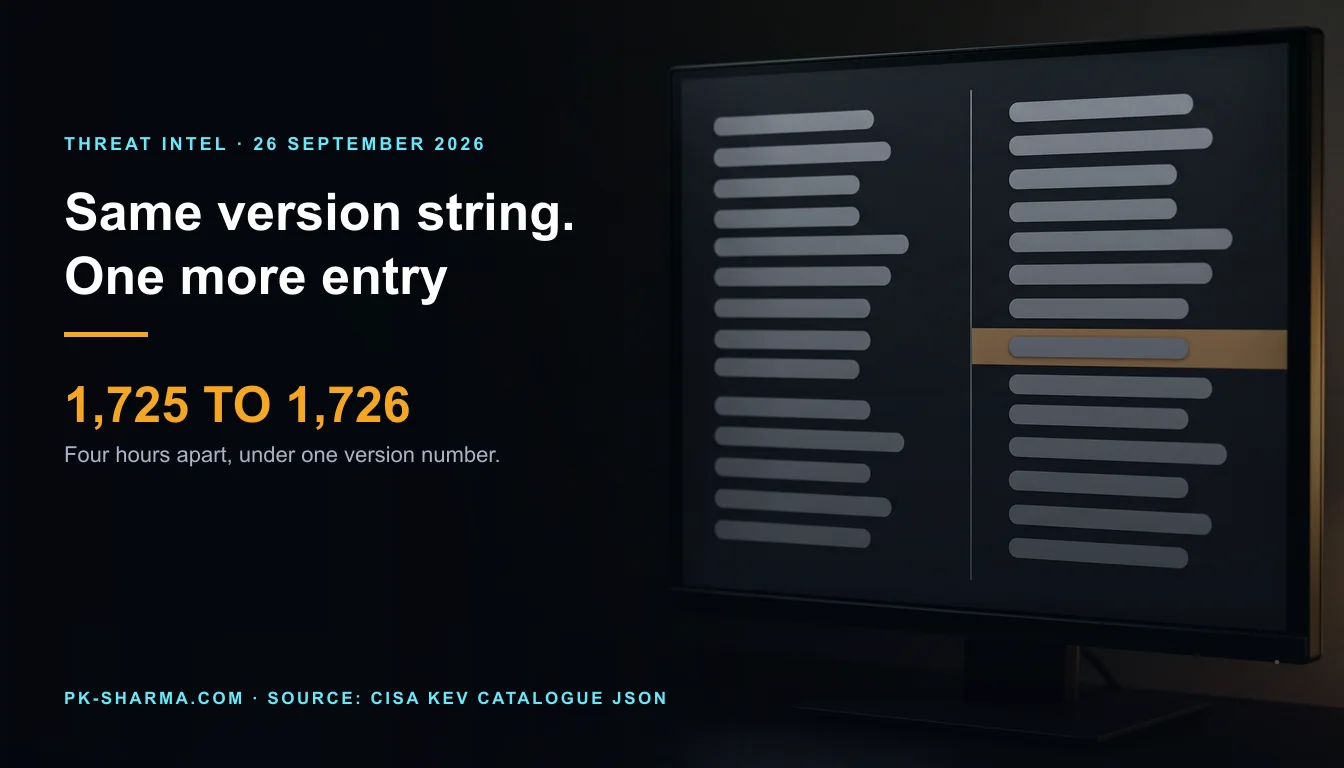
Anything that caches on the version saw no change. The third entry is a WordPress Core remote file inclusion flagged for forensic triage, and a day later the trade press was still reporting two.
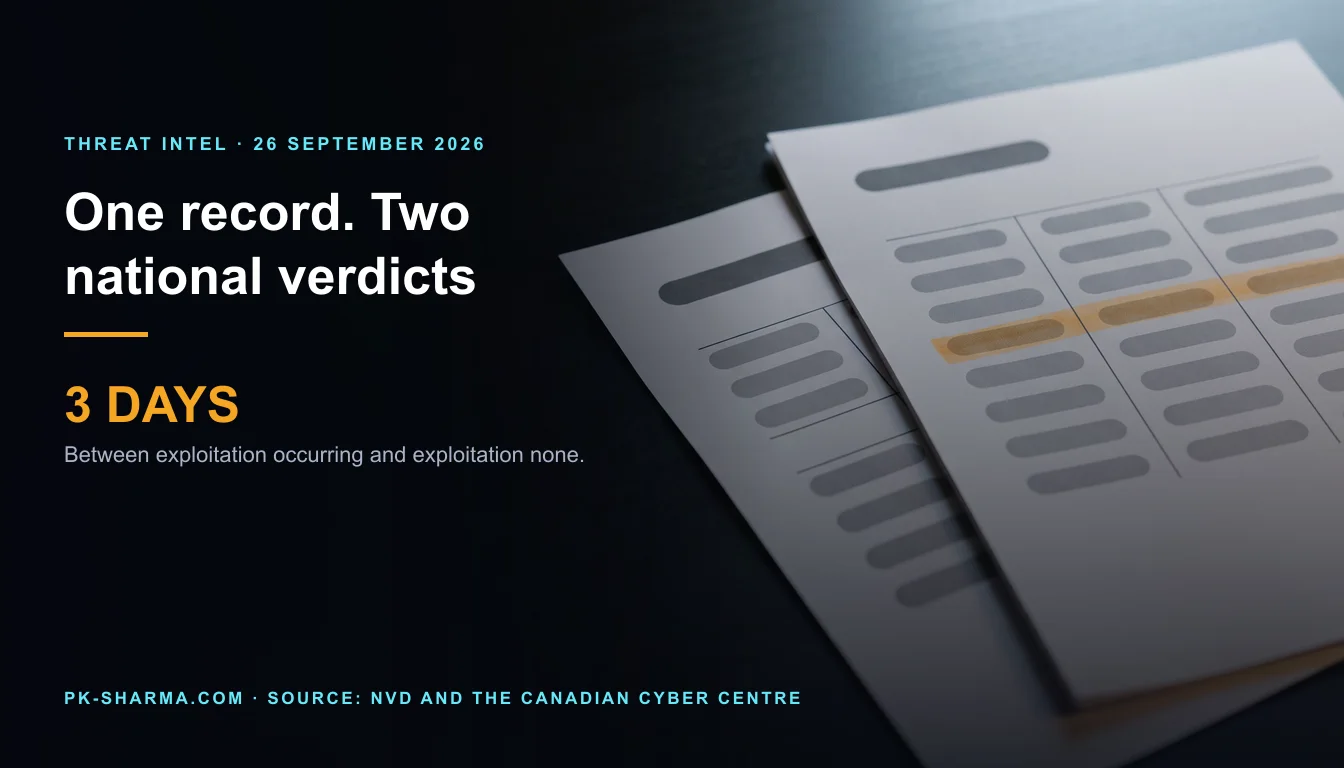
Two allied national cyber bodies, one CVE, three days apart, opposite conclusions. Neither is reading a sensor. Both are reasoning over the same thin public record, which is the part worth understanding.
A fake verification page that verifies nothing, measured by a panel that counts interface progress and labels it execution. The gap between an event and the thing it is named after is the entire story.
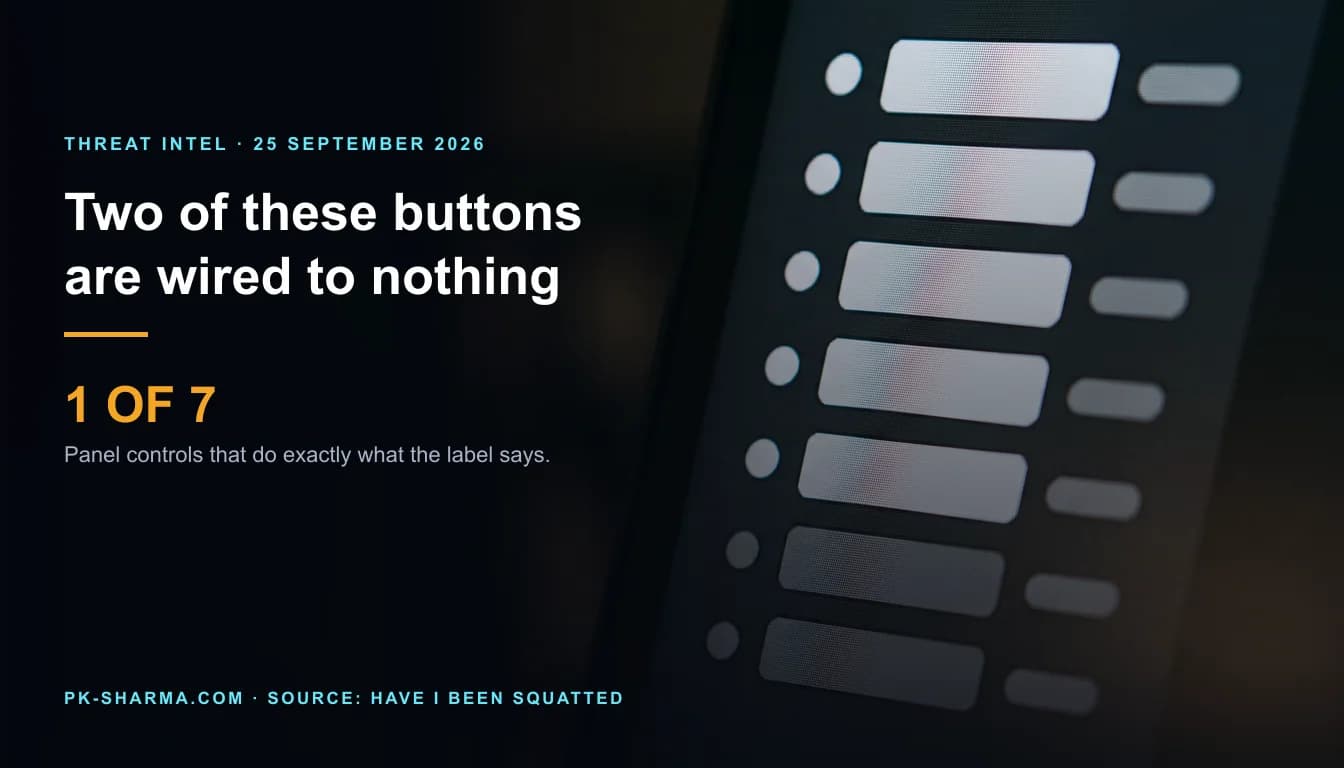
Two controls are not implemented at all, one is a stub that reports success without reading anything, and the self destruct does not uninstall or undo the damage. Your own device management console is read exactly the same way.