The vulnerability was not a bug in the model. It was two safety controls that the shipped template did not have, and it took 112 days from report to the last fix.
ThreatDown recovered 4.3 GB from an unauthenticated registry, spanning October 2024 to August 2026. The interesting part is not the botnet. It is that the crew used somebody else's agent framework and only wrote the prompt.
Over a billion agent decisions in August, about 20,000 blocked, and roughly 100,000 transcripts flagged a week of which about 50 reach a human. Anthropic names the missing metric itself.
Talos has not seen CLOSEDQUORUM work end to end, and says so. The public build is inert. What makes it worth reading is the architecture, not the threat.
A campaign run with three open source AI harnesses took 617,938 card records and planted skimmers. Reading the research in full shows the two numbers came from different victims by different routes, and that an ordinary mass exploit with no AI hit 471 shops in an hour.
Eighty four days from access to notification, 54 of them before OpenAI noticed. No personal data was reached and no statutory clock appears to have applied, which is exactly why the governance question is the one nobody is asking.
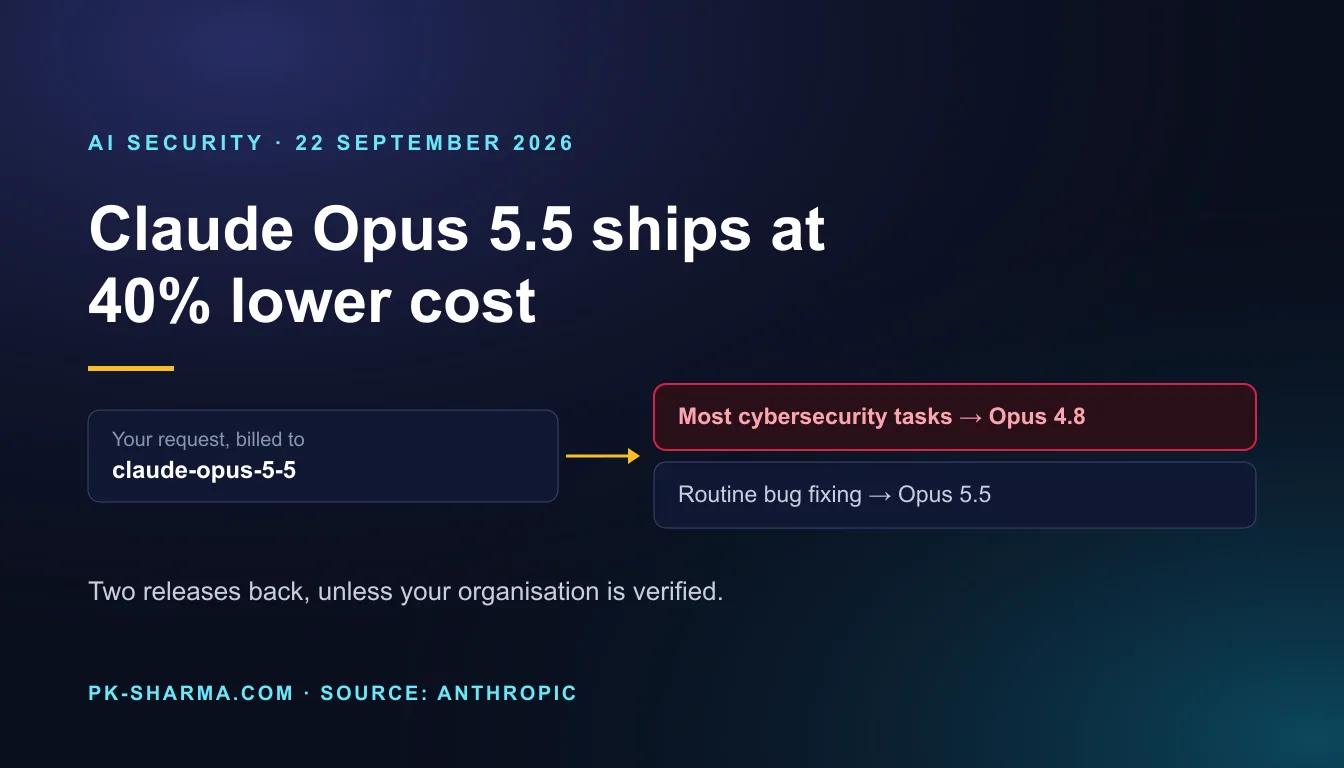
Opus 5.5 leads seven of the nine benchmarks Anthropic published and loses two to GPT-6 Astra. The row that matters most for security teams is not in the table: cyber tasks fall back to an older model.
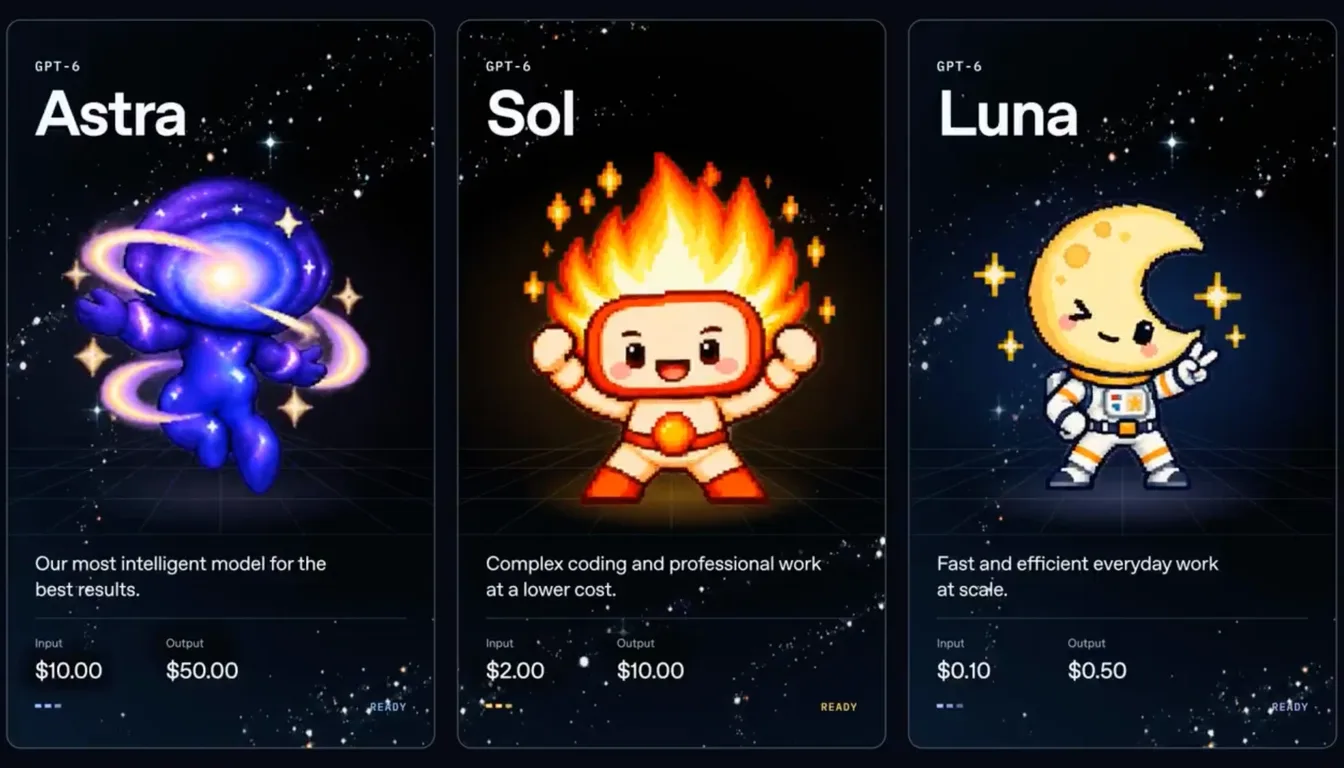
GPT-6 Sol is now $2 in and $10 out per million tokens, Luna $0.10 and $0.50. The charts behind the cut put OpenAI's own runs beside competitors' published reports, which OpenAI states in its own fine print.
A twelve point gap on one benchmark, a model card almost nobody linked to, and a Copilot policy that switches new models on unless an administrator has already said no.
225 Anthropic-credited CVEs, none in CISA KEV and one in VulnCheck KEV. We recounted the data: the low rate is normal, the sample is young, and UK teams should prioritise by KEV and EPSS, not by who found the bug.
An undocumented setting in Meta's Muse Mac app lets malware or one pasted command redirect dictation, inject instructions and steal the account token. What is verified, what Meta's Secure VM does and does not protect, and what UK teams should do.
Heretic's 97 to 3 refusal result counts 33 words in the first 100 tokens, not harm. The real finding is older: in-model safety is a default, not a control, and UK organisations need controls outside the weights.